


Coastal Residences
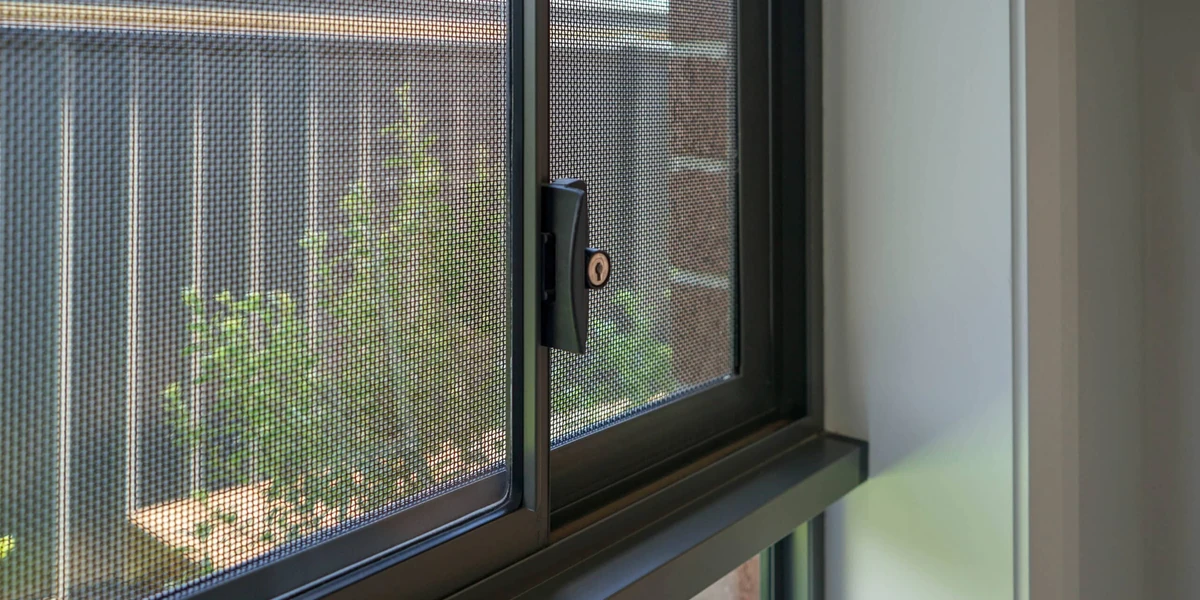
Security screens for homes exposed to marine air and salt.

316L stainless steel security mesh is designed for door and window systems exposed to humid, coastal, or chloride-containing environments. Its low-carbon molybdenum-bearing alloy provides enhanced resistance to pitting and localized corrosion.
It is recommended for coastal residences, humid-area buildings, premium doors and windows, and ventilation openings. Mesh count, wire diameter, panel size, passivation, coating, and frame compatibility can be specified by project.
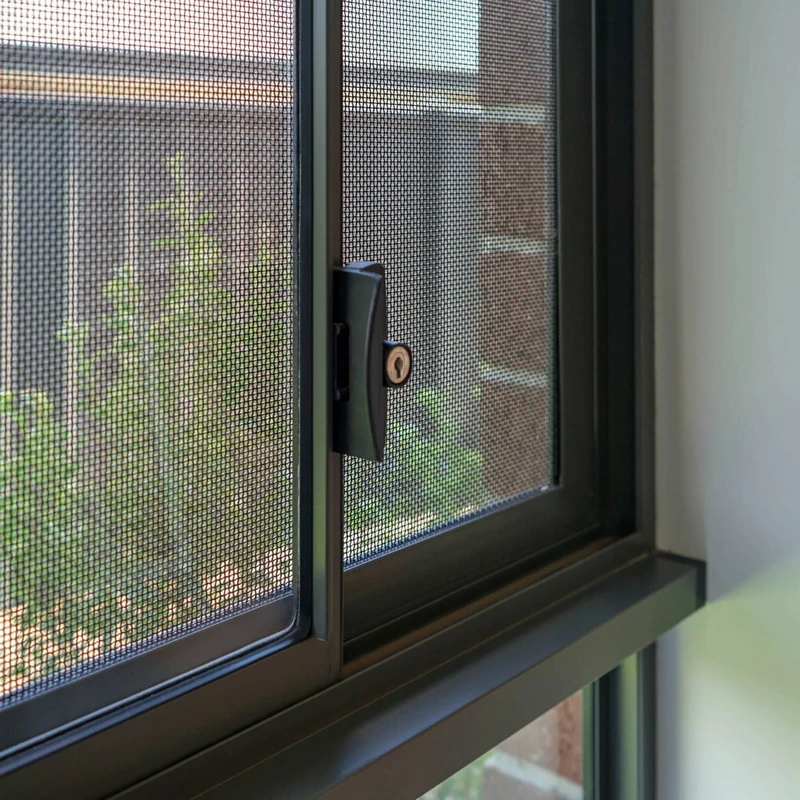
Low-carbon SUS 316L wires are woven into uniform square apertures, followed by passivation to restore and support the protective surface film. Powder coating and controlled curing can be added where a colored or low-glare finish is required.
The molybdenum-bearing 316L alloy improves resistance to chloride-related pitting compared with general-purpose stainless grades. Its woven structure distributes force between crossing wires while the selected aperture preserves ventilation and sight lines.
| Material | Low-carbon SUS 316L stainless steel wire |
| Reference mesh | 11 to 18 mesh |
| Wire diameter | Customized for required opening, strength, and frame system |
| Surface treatment | Passivated; optional powder coating with controlled curing |
| Supply form | Custom panels or rolls with protective separators |
Security screens for homes exposed to marine air and salt.
Corrosion-conscious mesh for persistently damp locations.
316L woven panels for higher-specification frame systems.
Protective airflow openings in chloride-exposed environments.